A little trick from experienced seamstresses: why they sew stripes first

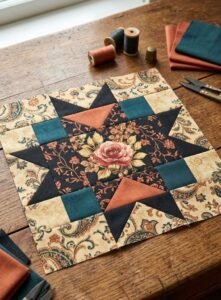
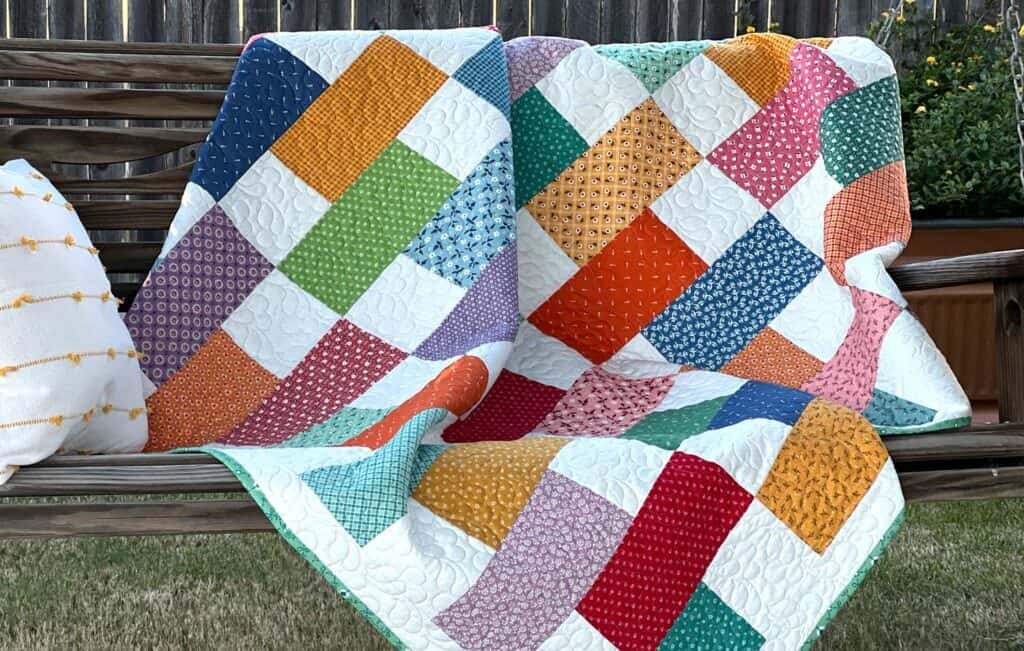
When you look at beautiful patchwork, it seems that everything there is incredibly complex.
Hundreds of squares.
Perfect corners.
Even rows.
nd the first thought is usually this:
“How long did this take…”
Especially if you have ever tried sewing from scraps.
Because many people start the same way:
first they spend a long time cutting out small squares, sorting them by color, putting them in stacks… and then they try to put everything together so that nothing gets crooked.
And it is at this stage that many people get tired.
Patchwork suddenly begins to resemble work rather than relaxation.
But experienced craftswomen have one little trick that, for some reason, is rarely noticed by beginners.
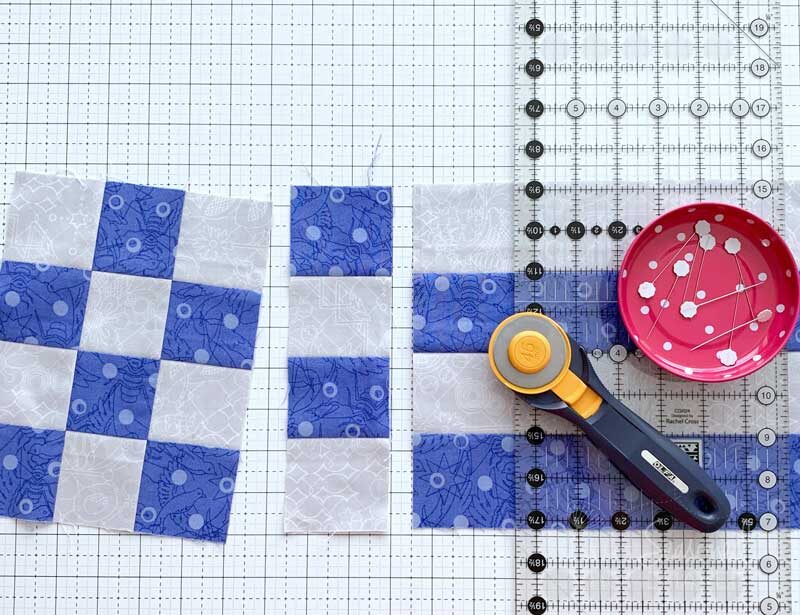
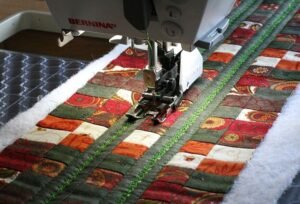
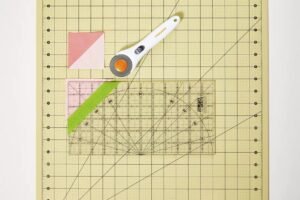
They often sew strips of fabric together first and then cut them into pieces.
It sounds strange at first glance.
Why sew only to cut again later?
But this is where the little secret lies.
They often sew strips of fabric together first and then cut them into pieces.
It sounds strange at first glance.
Why sew only to cut again later?
But this is where the little secret lies.
Why this method seems easier
When you have to work with dozens of small pieces, your hands get tired faster.
Each square needs:
-
take,
-
combine,
-
chip off,
-
flash,
-
check.
And if there are a lot of details, the process starts to drain your energy.
Strips of fabric behave more calmly.
They are easier to hold in your hands and
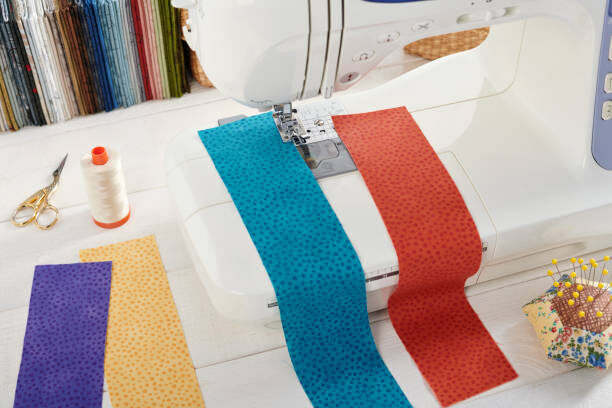
And the work begins to move noticeably faster.
This is especially noticeable when sewing repeating blocks.
For example:
-
of nine squares,
-
chess patterns,
-
simple geometric compositions.
Where previously it would have been necessary to connect dozens of small parts, sometimes it is enough to first assemble the strips.
And the corners suddenly start to match
This is probably one of the most pleasant surprises.
Many people notice that this method results in fewer distortions.
Why does this happen?
Because the number of small connections is reduced, where it’s easy to make a mistake of just a couple of millimetres.
And in patchwork, these millimeters like to accumulate.
At first the seam shifted a little.
Then another one.
And now the corner seems to almost match… but still not.
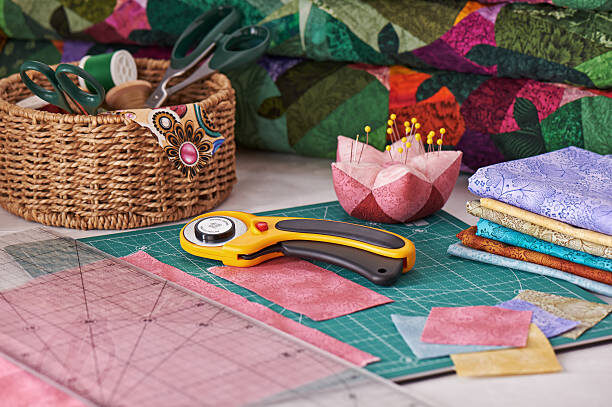
When parts are assembled from strips, there are fewer points for error.
And the work looks neater even without unnecessary stress.
But there is one little trick
Experienced craftswomen rarely sew strips that are too long.
It seems logical to take the fabric across the entire width and stitch it straight away.
But here the fabric may begin to stretch and bend slightly.
Therefore, it is often more convenient to work with shorter sections.
This makes it calmer and more even.
Especially if the fabric is soft or flexible.
Another habit that helps
There is a little secret against distortion.
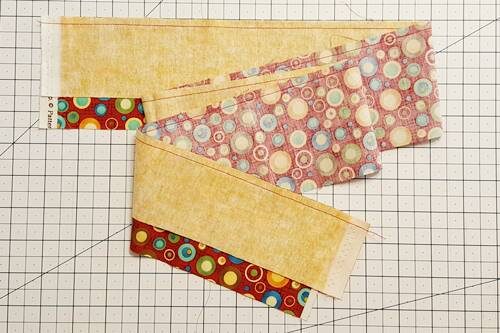
When the strips are joined, the next row is sometimes sewn in the opposite direction .
One – top to bottom.
The next – the opposite.
This helps the fabric to “move” to the side less.
Such little things seem insignificant.
But it is from them that the feeling is then formed:
“Why is everything going smoothly for some people, while for others it seems to have a life of its own?”
This method is especially popular with those who don’t like to rush.
There is something very calming about working with stripes.
Less fuss.
Less endless cutting of details.
And it’s as if a sense of order appears.
It is especially pleasant to use this method for fabric scraps.
Those very scraps that are kept “for later”.
Sometimes several bands suddenly start to be friends with each other.
And the result is something that looks much more interesting than originally intended.
Patchwork generally loves surprises.
And it’s also just being more careful with yourself.
Perhaps, with age, you want less and less difficulties for the sake of difficulties.
Not to prove something.
Not to do it perfectly.
So that your hands don’t get tired.
So that your eyes don’t strain.
So that the process remains a pleasure.
And sometimes it turns out that the little trick of experienced craftswomen is not about speed.
And about how to make your favorite activity a little easier and more comfortable.
💬 Did you know about this method? Or do you prefer the old-fashioned way—cutting into squares first?